

Alex Cook · 24 Aug 2024
Retinol A v Bakuchiol seed oil
The beauty and skincare industry is ever-evolving, with new ingredients and innovations emerging regularly. Among these, Retinol A and Bakuchiol seed oil have become popular due to their remarkable benefits, especially in anti-ageing and skin rejuvenation. While Retinol A has been a go-to ingredient for decades, Bakuchiol has recently gained attention as a natural alternative.
Understanding Retinol A
Retinol A, a derivative of Vitamin A, is a powerful ingredient renowned for its efficacy in anti-ageing skincare. It works by accelerating cell turnover, stimulating collagen production, and reducing the appearance of fine lines, wrinkles, and hyperpigmentation.
Benefits of Retinol A: Cell Turnover, Collagen Production, Reduces Signs of Ageing, Treats Spots.
Drawbacks of Retinol A: Skin Irritation, Sun Sensitivity, Not Suitable for All Skin Types.
Introducing Bakuchiol Seed Oil
Bakuchiol, derived from the seeds of the Psoralea corylifolia plant, has been heralded as a natural alternative to Retinol A. Unlike Retinol A, Bakuchiol face serum is plant-based and is celebrated for its gentler approach to skin rejuvenation, making it suitable for a broader range of skin types.
Benefits of Bakuchiol Seed Oil: Gentle on the Skin, Anti-Ageing Properties, Antioxidant and Anti-Inflammatory, Even Skin Tone.
Choosing the Right Ingredient for Your Skin
For Sensitive Skin: Bakuchiol is likely the better choice. For Fast Results: Retinol A might be the way to go. For Natural Skincare Enthusiasts: Bakuchiol aligns with this preference.
Both Retinol A and Bakuchiol seed oil have their unique advantages and drawbacks. Ultimately, the choice depends on your skin's needs, your tolerance, and your preferences for natural versus synthetic ingredients. Consistency is key, and pairing these ingredients with a well-rounded skincare routine will help you achieve the best results.
Products Featured in this Article
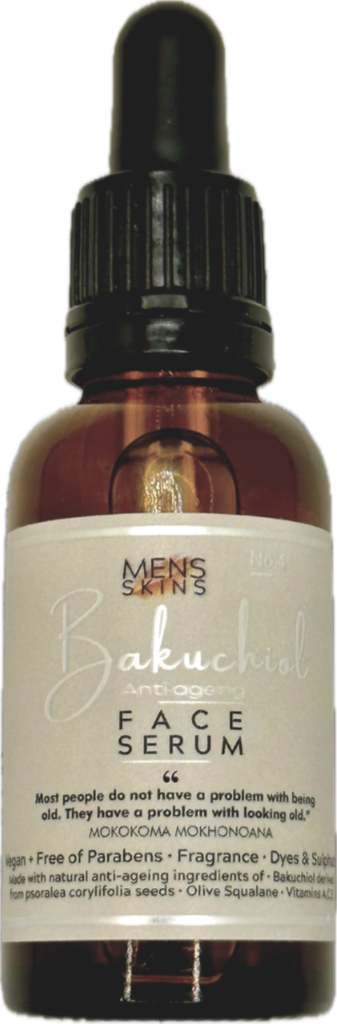
Serum
Anti-Ageing Bakuchiol Face Serum 30ml
£24.00
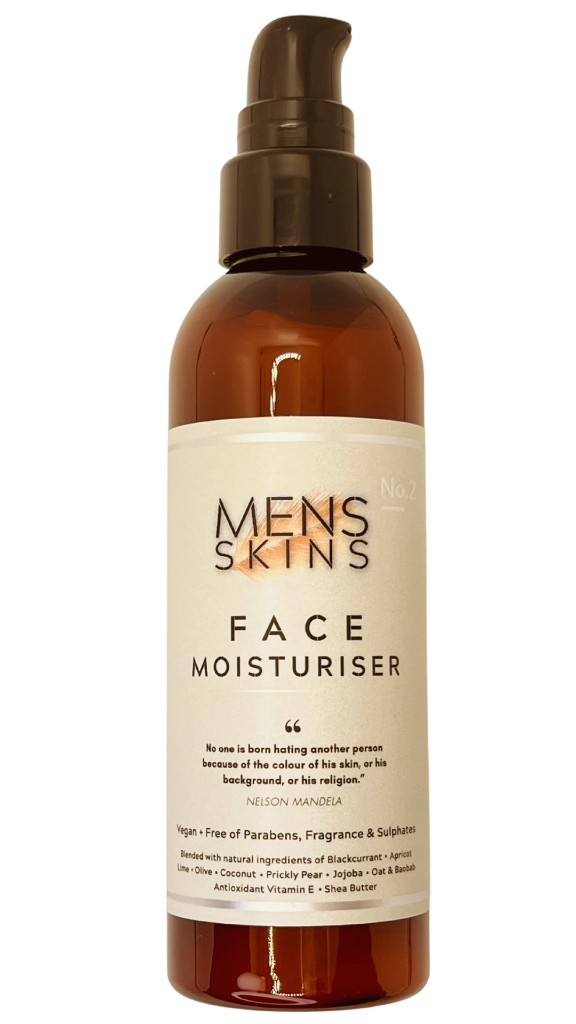
Moisturiser
FACE MOISTURISER
£18.00

Set
Mens Skins Trio Set + FREE Wash Bag
£35.00

